Updatetime:2026-02-21 19:23:08 View:
When it comes to bedding, the fit of your sheets matters more than you might think. Not only does the proper fit enhance comfort, but it also ensures a clean and polished look for your bed. For those wondering whether queen sheets fit a full bed, this article dives deep into the topic, providing actionable insights, practical advice, and information to help you make the best decision for your bedding needs.
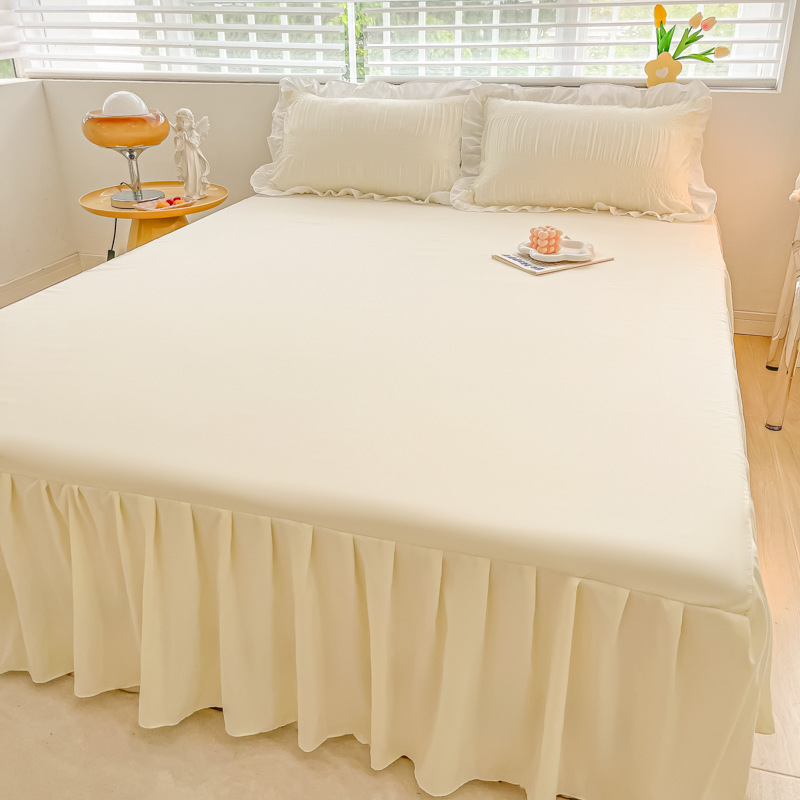
Before addressing whether queen sheets can be used on a full bed, it’s important to understand the dimensions and differences between these two bed sizes.
A full or double bed typically measures 54 inches in width and 75 inches in length. It is suitable for single sleepers who prefer extra space or for couples who don’t mind a snug fit. Full-size beds are often found in smaller bedrooms or guest rooms.
A queen bed, on the other hand, measures 60 inches in width and 80 inches in length. It offers more space, making it an ideal choice for couples or those who like to stretch out while sleeping. Queen beds are considered the most popular option for master bedrooms due to their versatile size and comfort.
In theory, queen sheets can be used on a full bed, but they won’t provide a perfect fit. Let’s explore why:
The key issue lies in the difference in dimensions between full and queen beds. A queen sheet is designed to fit a mattress that is six inches wider and five inches longer than a full mattress. As a result, using queen sheets on a full bed will likely leave excess fabric, which might create loose edges or bunching.
If the fitted sheet is highly elastic, it might be able to adapt to a full bed to some extent. However, the quality of the fit depends on the sheet's material and elasticity. While some stretchy queen fitted sheets may ""work"" on a full mattress, they won’t provide the taut and tight fit intended for proper bedding.
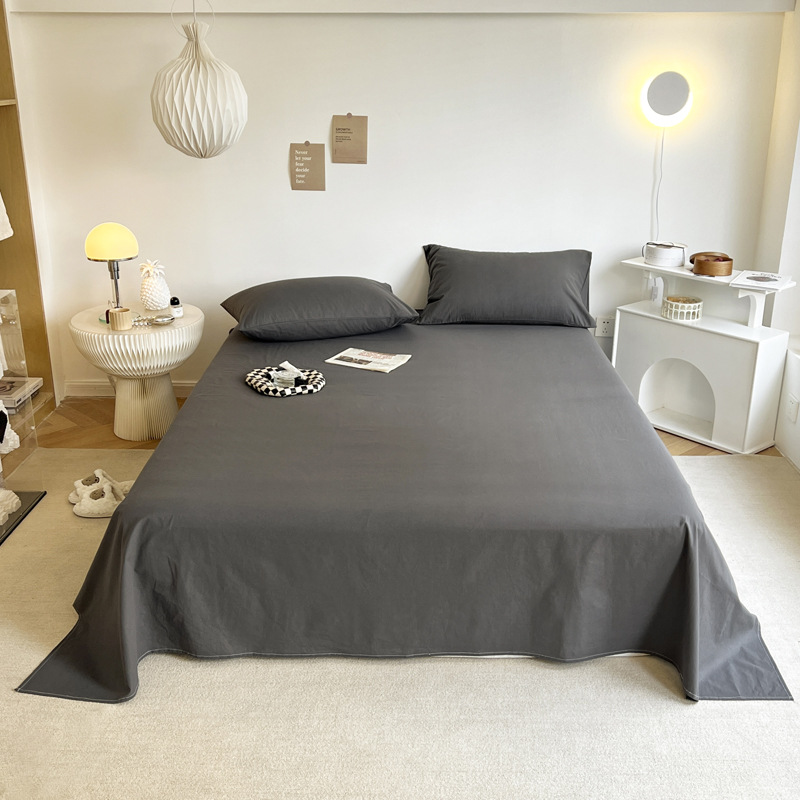
For flat sheets, queen-sized sheets can be used more easily on a full bed. Since flat sheets don’t have elastic edges, you can simply tuck the excess material under the mattress. However, this may still result in extra fabric hanging over the sides, giving an uneven and bulky appearance.
If you’re considering using queen sheets for your full bed, here are the benefits and drawbacks to keep in mind:
If you decide to use queen sheets for your full bed, there are some strategies to make them fit better. These tips may not offer a perfect solution, but they can help improve usability and appearance:
Sheet straps or corner grippers are effective tools to secure oversized sheets. They attach beneath the mattress, keeping the fitted sheet in place and reducing slipping or bunching. However, this can only partially address the excess fabric problem associated with queen sheets.
For flat sheets, you can fold and tuck the extra material under the sides of the mattress for a cleaner look. This technique requires regular maintenance to ensure the sheet stays neat and properly positioned.
If you’re comfortable making minor alterations, you can adjust the elastic bands of queen fitted sheets to shorten them. Sewing new elastic bands or replacing the current ones can create a tighter fit, but this requires time and effort.
Instead of trying to adapt queen sheets to your full bed, there are better approaches to ensure a perfect fit:
The most straightforward solution is to purchase full-sized sheets specifically designed for a full bed. This guarantees a snug fit and enhances the longevity and aesthetics of your bedding setup. Look for sheets with deep pockets if your mattress is particularly thick.
If queen sheets are abundant in your home and you prefer to use them, consider upgrading to a queen-sized mattress. While more costly, this option eliminates sizing problems and offers a better sleep experience due to the larger dimensions of the bed.
Another innovative solution is adjustable bedding, which adapts to different mattress sizes. Such bedding products offer flexibility and versatility for those who change mattresses or use multiple bed sizes.
When selecting sheets for your bed, size isn’t the only factor at play. Here are some additional elements worth considering:
Choose a fabric that complements your sleeping preferences. Cotton, bamboo, microfiber, and linen are popular options, each offering unique benefits in terms of softness, breathability, and durability.
Thread count is an important metric for determining the quality of sheets. While higher thread counts generally indicate smoother textures, they aren’t the sole determinant of durability and comfort. Aim for a balanced thread count that meets your needs.
Your local climate plays a role in choosing the right sheets. For warmer climates, opt for breathable fabrics like cotton or bamboo to stay cool. In colder climates, flannel or thicker fabrics may provide better warmth.
While queen sheets can technically be used on a full bed, they are not ideal due to the mismatch in dimensions. If comfort, aesthetics, and functionality are priorities, investing in sheets that match your mattress size is the best course of action. Making informed decisions about bedding ultimately enhances your sleep quality and transforms your bedroom into a welcoming and stylish retreat.
By understanding the key differences between bed sizes and exploring practical solutions, you’ll be able to create a comfortable and visually pleasing sleeping environment. Whether you’re buying new sheets or modifying existing ones, prioritize quality, fit, and aesthetics for the best results.