Updatetime:2025-12-13 19:38:54 View:
Travel neck pillows are a convenient and popular accessory for frequent flyers and long-hour commuters, but their usability rarely gets discussed beyond the usual airplane or car seat scenario. Many people wonder: can you sleep with a travel neck pillow in bed? In this article, we’ll explore the practicality, advantages, downsides, and expert tips for using travel neck pillows in a regular sleeping environment. By the end of this guide, you’ll know whether or not a travel neck pillow deserves a spot in your nightly routine.
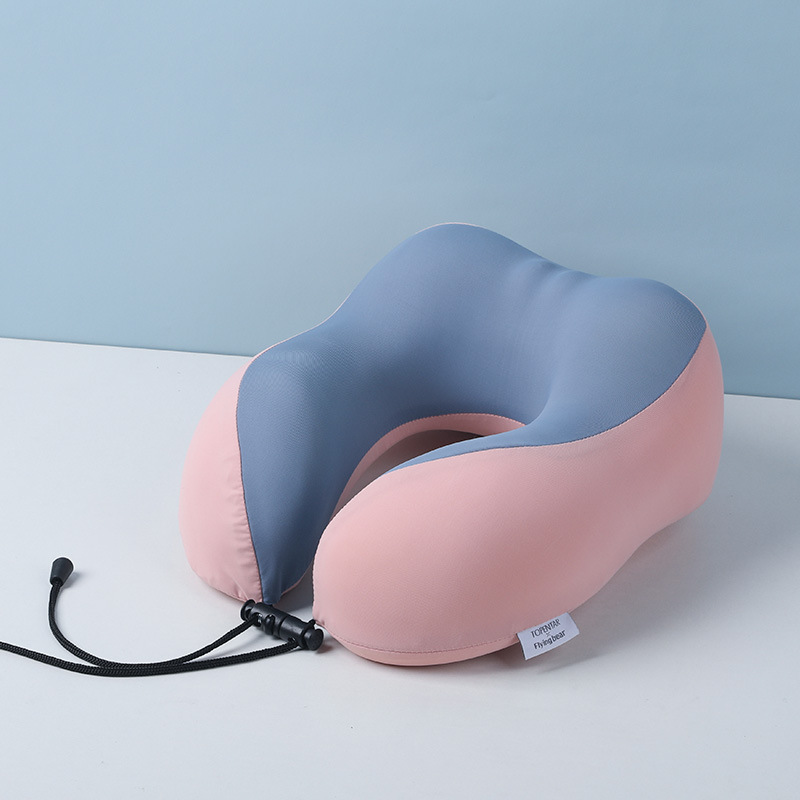
A travel neck pillow is specifically designed to provide ergonomic support to your neck and head during travel. Often U-shaped, these pillows are made to wrap around your neck, ensuring comfort and preventing stiffness that might occur during long periods of sitting. They’re constructed from various materials, ranging from memory foam to inflatable designs, and are known for their portable and lightweight nature.
Given their compact form and targeted support, many users might wonder if travel neck pillows can replace a traditional pillow, especially when sleeping in bed. While neck pillows are not specifically created for bedtime use, they can offer benefits under certain conditions.
Travel neck pillows are designed to cradle the neck and head specifically, making them highly effective when sleeping upright. However, in some cases, they can also provide ergonomic support for side-sleepers or individuals seeking relief from neck pain after long hours of improper posture. For those who toss and turn frequently and struggle to find the “perfect position,” these pillows can help secure the neck for better alignment.
If your sleeping environment is small or minimalist, a travel neck pillow can be a space-saving alternative to standard-size pillows. Its compact design allows easier storage or portability, making it ideal for dorm rooms, apartments, or other limited spaces. You can easily carry it from your bed to your couch or store it when not needed without hassle.
For individuals who require elevated sleeping positions due to respiratory issues or acid reflux, a travel neck pillow can support the head comfortably. With its wraparound design, it prevents unnecessary strain that traditional pillows might cause when used improperly for propping.
Many travel neck pillows use memory foam, known for its ability to adapt to body contours. A high-quality memory foam travel pillow can retain its shape and offer personalized support, making it potentially useful for those who suffer from tired neck muscles or discomfort due to certain medical conditions.
Traditional pillows are larger and provide support not just for the neck but also for the head, shoulders, and upper spine. A travel neck pillow’s smaller size restricts its usability and limits the broader support that one might need when sleeping for long hours. This can result in discomfort or incomplete alignment.
While travel neck pillows work exceptionally well for upright sleeping positions, they can fall short for back sleepers or stomach sleepers who require lower-profile cushioning. Side sleepers might also find the travel pillow's shape restrictive, as it primarily focuses on the neck area without adequately supporting the head.
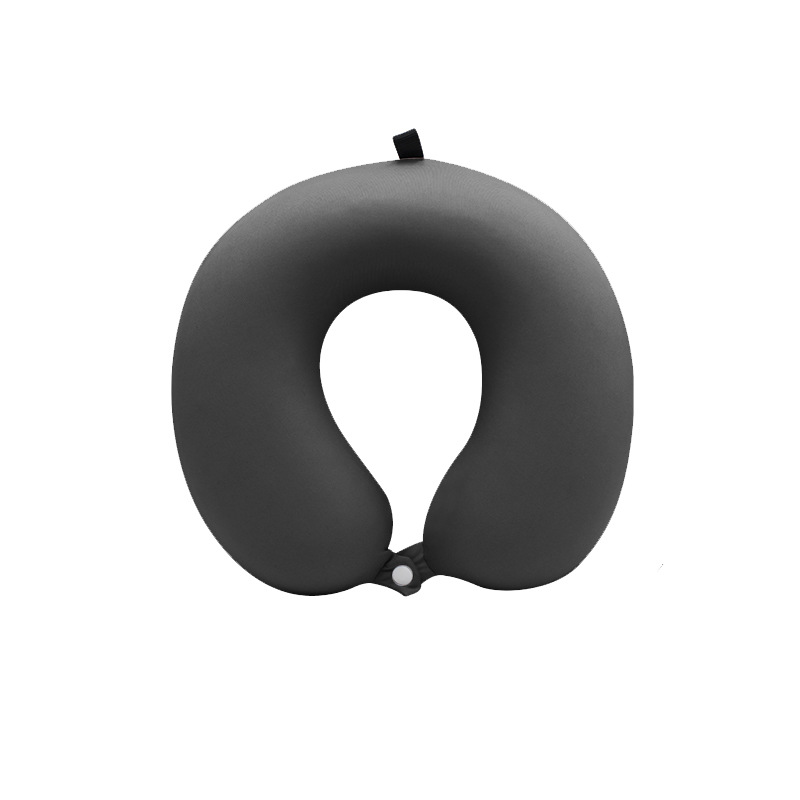
The U-shaped design of a travel neck pillow isn't optimized for flat beds. Unlike traditional pillows, it doesn't allow free movement or flexibility for changing sleep positions. This may feel awkward or cumbersome if used regularly in bed, as it’s inherently designed for seated sleeping situations.
Travel neck pillows are engineered for short-term or intermittent use during travel. Prolonged usage in bed may not be as comfortable, especially since the materials and shape are typically focused on mobilized support rather than long-term sleep ergonomics. Many people may find themselves needing to adjust frequently or waking up feeling under-supported.
Post-surgery, some patients are recommended to sleep in certain upright or semi-upright positions to reduce swelling and promote healing. In such situations, a travel neck pillow may add comfort and functional support while ensuring recovery alignment.
If you wake up with occasional neck pain or tension, using a travel neck pillow might help ease the discomfort since it focuses entirely on neck support. However, it’s essential to note that chronic pain warrants longer-term solutions, such as specialized cervical or orthopedic pillows.
When transitioning to outdoor sleeping setups, such as camping or using portable mattresses, travel neck pillows can be a great supplementary item. They are lightweight, easy to pack, and comfortable enough to provide familiarity compared to the sometimes rigid outdoor arrangements.
If you are not satisfied with the idea of using a travel neck pillow in bed, consider exploring alternatives better suited for regular sleep:
Memory foam pillows designed for home beds offer a similar but broader-support approach compared to travel neck pillows. They align the neck, head, shoulders, and spine ergonomically, making them far superior for extended use.
Cervical or orthopedic pillows are specifically designed to combat neck discomfort and promote proper sleeping alignment. These pillows are available in various shapes and densities to meet the diverse sleeping needs of back, side, or stomach sleepers.
For those who seek personalized sleep setups, adjustable pillows containing shredded memory foam or filling can allow you to customize the height and firmness, surpassing the versatility offered by travel neck pillows.
While a travel neck pillow may not replace your everyday standard pillow entirely, following these tips can ensure that you make the most of its benefits:
Combine your travel neck pillow with a regular bed pillow for added comfort and aligned support. Use the neck pillow to cradle your neck while the regular pillow supports your head and shoulders.
A travel neck pillow can be highly effective for short naps or resting moments in bed, especially during recovery or a quick snooze. Long-term nightly use should always be carefully evaluated to prevent discomfort.
Try using the travel neck pillow in various sleeping positions (elevated back sleeping, partial side sleeping, etc.) to determine the best posture for maximizing support and comfort.
Invest in a high-quality travel neck pillow made from memory foam or a breathable, hypoallergenic material. This can enhance its comfort and durability, making occasional bed usage more satisfactory.
Yes, you can sleep with a travel neck pillow in bed, but it is not an ideal option for full-fledged nightly use. While these pillows provide unique benefits like compactness, targeted support, and versatility for specific scenarios, they fall short in offering comprehensive comfort for extended sleeping habits. Evaluating your specific needs—such as temporary neck pain, recovering post-surgery, or outdoor sleeping—may justify occasional sleeping with this accessory.
For more permanent solutions, consider investing in specialized pillows designed for home use. At the end of the day, the key to restful sleep lies in optimal support and alignment, tailored to your individual preferences and sleeping posture.