Updatetime:2025-11-02 14:34:29 View:
In the quest for a comfortable and hygienic sleeping environment, one question often arises: Can bed pillows be washed? Given that we spend about a third of our lives in bed, ensuring that our pillows are clean and supportive is crucial for a good night's sleep. This article delves into the topic of washing bed pillows, offering guidance, tips, and considerations for maintaining both hygiene and longevity.
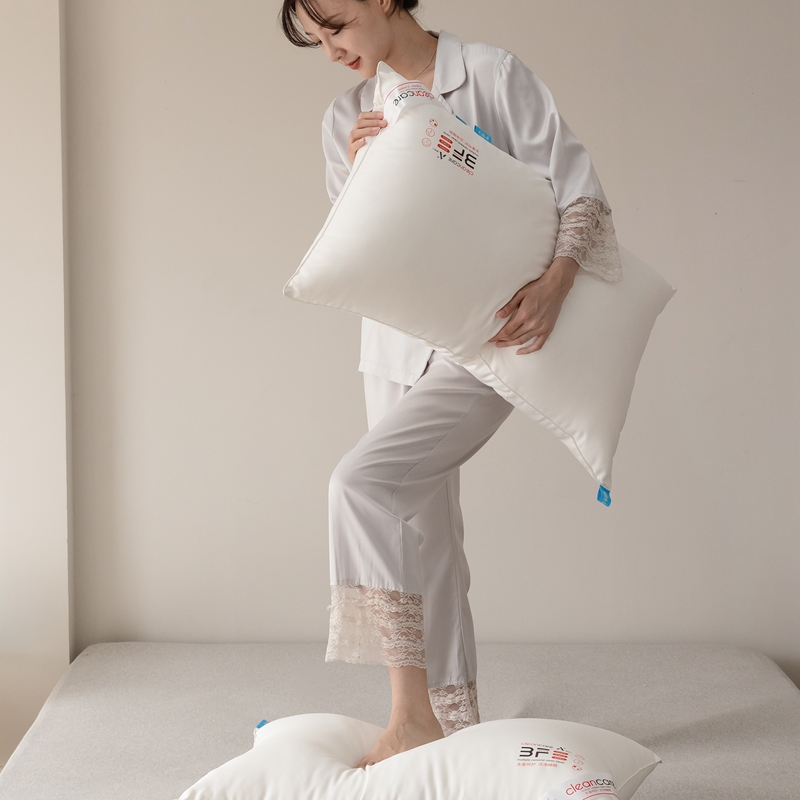
Before diving into the washing process, it's important to understand the types of pillows available. Different materials require different cleaning methods. Generally, pillows can be categorized into a few main types:
These are filled with natural materials like goose or duck feathers and down. They are known for their softness and luxury feel. However, they require specific care when washing to maintain their loft and prevent clumping.
Memory foam and latex pillows offer excellent support and are often recommended for those with neck or back pain. These pillows usually have a solid foam structure, making machine washing unsuitable.
Filled with polyester or other synthetic materials, these pillows are often more budget-friendly and easier to care for. They can typically be machine washed, but the process must be carried out correctly to maintain their shape and integrity.
Regularly cleaning your pillows is essential for several reasons. Over time, pillows accumulate dust mites, skin cells, sweat, oils, and even mold. If left unwashed, these can contribute to allergens and respiratory issues. Clean pillows not only enhance sleep quality but also promote overall health.
While pillowcases should be washed weekly, bed pillows themselves do not need to be washed as frequently. As a general rule, it’s recommended that bed pillows be washed every 6 months. However, if you suffer from allergies or have been ill, washing them more frequently can be beneficial.
Proper washing techniques depend on the material of the pillow. Here's how to handle each type:
1. **Preparation:** Check the care label first. Use a gentle laundry detergent that won’t compromise the down material.
2. **Machine Washing:** If allowed by the care label, wash in a front-loading washing machine on a gentle cycle with warm water. Avoid top-loading machines which can agitate the material excessively.
3. **Drying:** Place pillows in a dryer on a low heat setting. Add clean tennis balls or dryer balls to maintain fluff. Ensure they are completely dried to prevent mildew.
1. **Spot Clean:** Instead of washing, spot clean with a mild detergent and water. Gently rub the area and blot dry with a clean cloth.
2. **Deodorizing:** Sprinkle baking soda over the pillow, let it sit for 15 minutes, then vacuum it off.
3. **Air Drying:** Allow pillows to air out regularly to eliminate odors and maintain freshness.
1. **Machine Washing:** Most synthetic pillows can be machine washed. Use a gentle cycle and mild detergent. It's advisable to wash two pillows at a time to maintain balance in the machine.
2. **Rinsing:** After washing, run an extra rinse cycle to ensure all detergent is removed.
3. **Drying:** Place in the dryer with dryer balls on a low heat setting. Regularly check that they're drying evenly.
1. **Use Pillow Protectors:** Utilize zippered pillow protectors to shield against sweat and dust mites, enhancing hygiene and the pillow's lifespan.
2. **Fluff Daily:** Fluffing pillows daily will help maintain their shape and remove dust particles.
3. **Sun Exposure:** Occasionally, let pillows bask in direct sunlight. This helps eliminate bacteria and odors naturally.
4. **Regular Inspections:** Periodically check pillows for any signs of wear, tear, or stains. Replace them if they become lumpy or uncomfortable.
Even with regular washing, pillows won't last forever. A general guideline is to replace bed pillows every 1-2 years. Signs that it’s time for a replacement include noticeable lumps, loss of shape, persistent odors, or any discomfort during sleep.
With rising environmental awareness, consider eco-friendly practices when caring for pillows:
1. **Natural Detergents:** Use biodegradable and natural detergents to minimize chemical waste.
2. **Recycling:** Once pillows are due for replacement, consider recycling programs that handle bedding materials responsibly.
3. **Donation:** Some organizations accept used pillows if they’re in good condition, offering them a second life as pet bedding or other uses.
Maintaining the cleanliness and hygiene of bed pillows is a vital component of sleep health that is often overlooked. By understanding the specific needs of your pillows based on their material, and following the correct washing and maintenance procedures, you can ensure that your pillows remain comfortable and supportive for a long time. Regular inspection and timely replacement, combined with conscientious care, can significantly enhance your sleep quality, contributing to better overall health and well-being.