Updatetime:2025-10-20 10:26:52 View:
In the realm of home comfort and bedding, polyester pillows have emerged as a popular choice due to their affordability, versatility, and easy maintenance. However, concerns about the potential toxicity of these pillows have been raised occasionally, making consumers question their choices. This article seeks to explore whether polyester pillows pose any health risks and whether they are indeed toxic. Through detailed examination, we aim to provide you with actionable insights that align with your health needs and sensibilities.
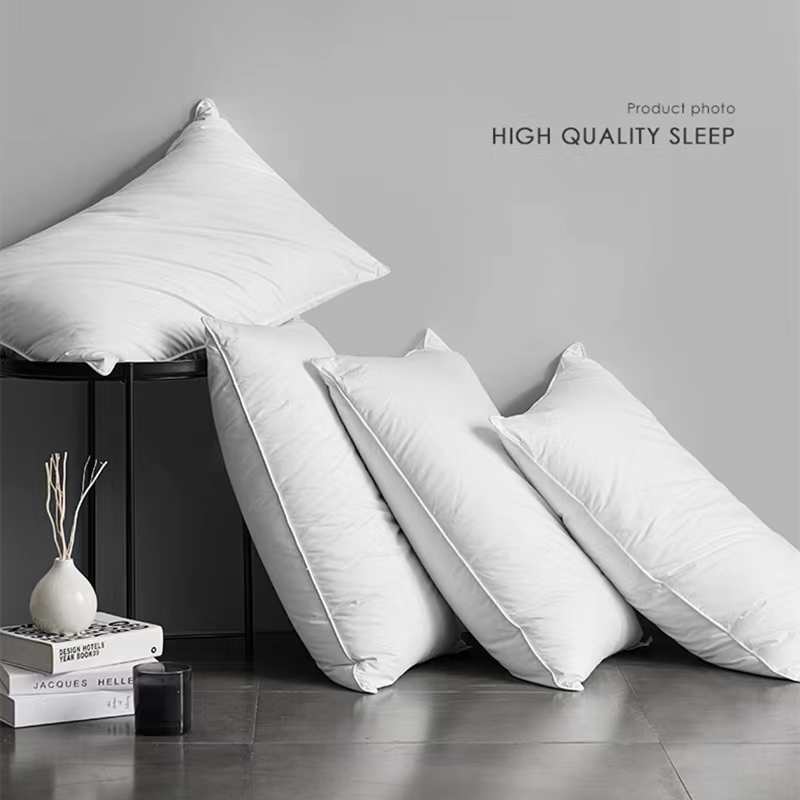
Polyester is a synthetic compound, derived primarily from petrochemicals, and is commonly found in various textiles, including pillows. Its characteristics of durability, resistance to wrinkles, and ease of care make it widely used in manufacturing. Typically, polyester pillows are filled with polyester fibers, which are known for their ability to mimic the plushness of natural materials like feathers or down at a fraction of the cost.
The ingredient list in polyester creation includes ethylene glycol and terephthalic acid, which undergo a polymerization process. Understanding this fundamental chemical makeup is crucial when analyzing its potential impact on human health. While these components sound intimidating, health implications are highly contingent upon exposure levels and the nature of the product's chemical treatment.
Concerns about toxicity often center around two primary issues: whether the materials used release toxic chemicals and whether these chemicals pose risks when inhaled or absorbed by skin contact.
Polyester pillows might emit small quantities of Volatile Organic Compounds (VOCs). This process, known as off-gassing, usually occurs soon after the pillow is manufactured and is often noticeable as a ‘chemical’ smell when the pillow is first unpacked.
While VOCs are indeed a concern, it’s essential to note the amount and type emitted by polyester pillows is generally minimal. Ventilating new pillows for several days can mitigate any potential effects from these emissions. Airing pillows in a well-ventilated space helps dissipation of VOC concentrations over time, reducing exposure significantly.
Some individuals may experience allergic reactions to synthetic materials like polyester due to skin sensitivities or existing health conditions. Symptoms could include skin rashes or respiratory issues. It’s advisable for consumers with known sensitivities to conduct a patch test with any new pillow material before prolonged use.
To ensure your comfort and safety, consider the following parameters when selecting polyester pillows:
When buying polyester pillows, look for certifications that guarantee the absence of harmful chemicals. Certifications such as OEKO-TEX Standard 100 ensure that the product has been tested for substances that could be detrimental to health.
Manufacturers should provide a clear list of components and treatments applied to their products. Transparency from your retailer can help you make informed decisions on whether the polyester pillow aligns with your health preferences.
Allow your new polyester pillow to breathe before usage. Placing it in a well-ventilated area for a couple of days can significantly decrease any potential remaining VOC emissions.
Aside from polyester, pillows are crafted from various materials—each with its own set of advantages and drawbacks. Understanding these can inform healthier choices:
Alternatives such as cotton, wool, and down are often preferred for being natural and potentially less chemically treated. However, they can be more expensive and require meticulous care to maintain longevity.
Memory foam pillows offer superior support and conformity. However, similar to polyester, they may emit VOCs upon first use due to their synthetic nature and manufacturing process.
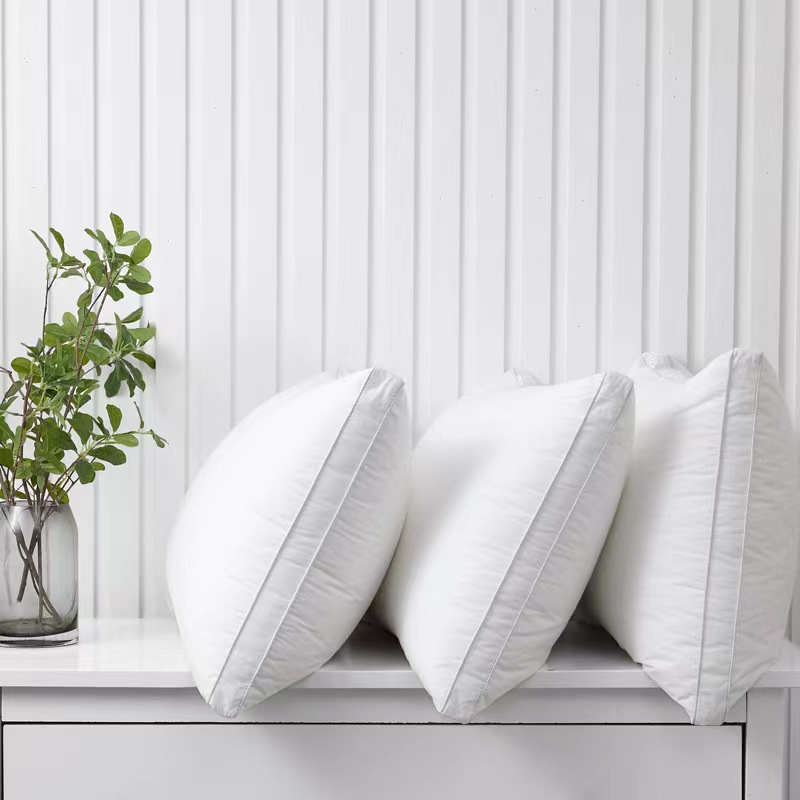
Polyester pillows, like all bedding materials, should be chosen based on an informed understanding of their composition and potential health impacts. While not inherently toxic, being astute about ventilating new pillows and selecting certified products can significantly mitigate any adverse effects.
Ultimately, the choice of pillow material rests at the confluence of personal preference, financial considerations, and health sensibilities. Polyester provides an economical, easy-to-care-for solution that can be safely integrated into your bedding selection with mindful preparation.
In evaluating whether polyester pillows are for you, remain informed about the latest research and certifications concerning product safety standards. With a balanced view of their risks and advantages, polyester pillows can be a valuable part of your comfort strategy in home furnishings.