Updatetime:2025-09-14 09:49:16 View:
When it comes to addressing health issues related to sleep, particularly in the realm of neck pain and spinal alignment, cervical pillows have emerged as a potential solution. These pillows are designed to support the head, neck, and shoulders to ensure proper alignment during rest. But are cervical pillows truly beneficial? This article explores the multiple dimensions of cervical pillows, providing insights into their effectiveness, advantages, potential drawbacks, and some practical advice for choosing the right one.
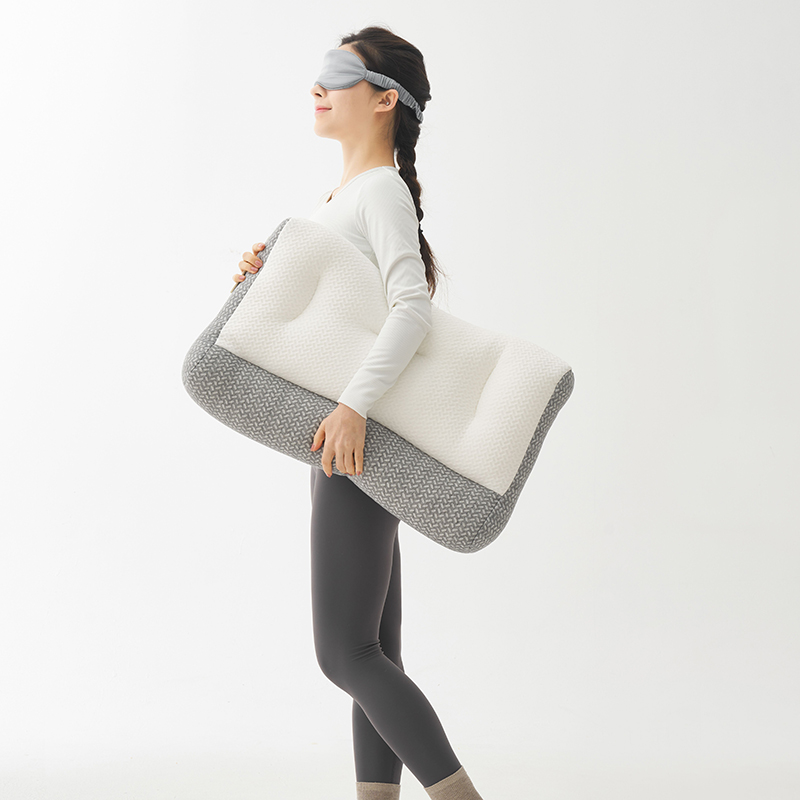
Cervical pillows, sometimes referred to as orthopedic pillows, are shaped uniquely to maintain the natural curve of the cervical spine while sleeping. They often have a contoured design that cradles the head and supports the neck whether you sleep on your back or side. The ultimate goal of these pillows is to alleviate pressure points and support healthy sleep posture.
One of the main advantages of cervical pillows is their ability to promote proper spinal alignment. By maintaining the neck's natural curve, these pillows help distribute weight evenly and reduce stress on the cervical vertebrae and surrounding muscles. This alignment can prevent and alleviate back and neck pain.
Individuals suffering from chronic neck pain, stiffness, or headaches often find relief by using cervical pillows. By properly supporting the neck and head, tension is reduced, resulting in decreased discomfort for those with musculoskeletal issues.
Better sleep posture often translates to improved overall sleep quality. Cervical pillows can reduce tossing and turning by providing consistent support that encourages restful sleep and reduces sleep disturbances related to discomfort.
By keeping the airways aligned and open, some users report a reduction in snoring when using cervical pillows. This can be especially beneficial for those who share a bed with a partner sensitive to noise.
Cervical pillows are available in a variety of materials, including memory foam, latex, and fiber fillings. Each material has its own set of advantages. Memory foam offers excellent contouring and support, while latex provides a natural option with a bit more firmness and resilience. Fiber fillings tend to be more affordable while still offering a degree of support, but they may not conform as closely to the body compared to foam or latex options.
The preferred sleeping position can significantly influence the type of cervical pillow that will work best. Back sleepers typically benefit from a thin pillow with adequate neck support, while side sleepers may require a higher loft to bridge the gap between the head and the shoulder.
Choosing the correct size and shape is crucial for the pillow to function correctly. Some cervical pillows are straightforward with a single curve, while others are elaborately shaped with multiple contours to accommodate different sleeping positions. It's essential to match the pillow size to the sleeper’s body dimensions for optimal support.
Personal comfort plays a huge role in selecting a pillow. The firmness level, pillow height, and overall feel of the material should align with the sleeper's individual preferences. Trying different types before making a purchase can be helpful in determining which pillow provides the most comfort and support.
Switching to a cervical pillow can require an adjustment period, as the body adapts to a new form of support. Some individuals might experience initial discomfort before their body becomes accustomed to the new pillow's shape and support level.
High-quality cervical pillows are often more expensive than standard pillows. However, given their specialized design and intended health benefits, many find the investment worthwhile for long-term comfort and pain relief.
Cervical pillows may not work for everyone. Different health conditions or personal comfort preferences might necessitate alternative sleep support solutions.
To minimize discomfort during the transition to a cervical pillow, start by using it incrementally. Begin with shorter periods and gradually increase the time as your body adjusts.
Cervical pillows are most effective when combined with other good sleep habits. Ensure your mattress provides the necessary support, maintain a regular sleep schedule, and create a sleep-conducive environment for optimal results.
Your pillow needs may change over time, influenced by health changes or shifting comfort preferences. Regularly evaluate your pillow's condition and effectiveness, replacing it when necessary to ensure continued support.
If you're dealing with significant neck pain or other sleep-related health issues, consider consulting a healthcare or sleep professional before switching to a cervical pillow. They can provide personalized advice and recommendations based on your specific needs and conditions.
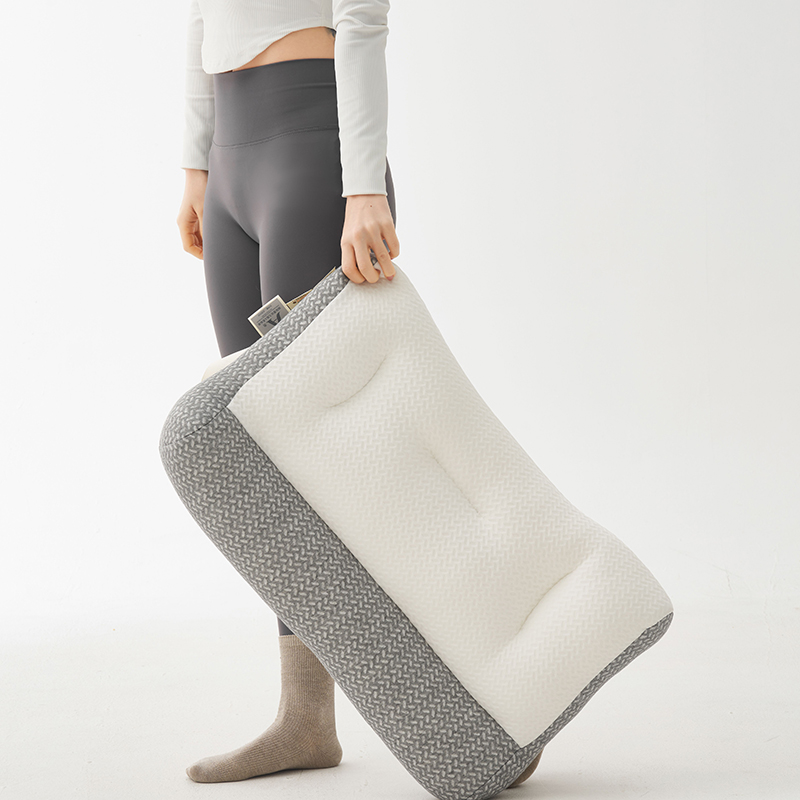
Cervical pillows can be a beneficial tool for improving spinal alignment, reducing neck pain, and enhancing sleep quality. However, they are not universally perfect for every sleeper. When considering a cervical pillow, it's essential to factor in personal sleeping habits, material preferences, and any specific neck or spine issues. With proper selection and usage, many find that the benefits of cervical pillows significantly outweigh any initial drawbacks, leading to better sleep and overall well-being.
In the increasingly health-conscious society of today, cervical pillows represent a targeted approach to everyday wellness, aligning with broader trends toward personalized, ergonomic solutions for common discomforts. Their role in a well-rounded approach to sleep health makes them a worthy consideration for anyone experiencing sleep disturbances or neck pain.