Updatetime:2025-10-27 10:07:13 View:
Bed bugs have long been a concern for homeowners and travelers alike. These tiny, elusive pests are notorious for their ability to hide in the smallest of crevices, making them challenging to detect and eliminate. One question that often arises is whether bed bugs can get inside pillows. This article delves into this query comprehensively, providing insights, preventive measures, and effective strategies to deal with potential infestations.

Before examining whether bed bugs can get inside pillows, it’s essential to understand what bed bugs are and how they operate. Bed bugs are small, wingless insects that feed on the blood of humans and animals. They are reddish-brown and about the size of an apple seed. These pests are primarily active at night and are attracted to body heat and carbon dioxide.
A bed bug’s lifecycle includes several stages, from eggs to nymphs, and finally, adults. Female bed bugs can lay hundreds of eggs in their lifetime, with eggs hatching within a week in warm conditions. Bed bugs are known for their resilience and can survive several months without a blood meal, making eradication challenging.
Bed bugs tend to hide in places where they have easy access to a host. Common hiding places include mattresses, box springs, bed frames, headboards, and crevices near the bed. They prefer tight, hidden spots where they are protected and can remain undisturbed. Given these preferences, it leads to the question of whether pillows can also serve as a hiding spot.
Pillows, due to their direct proximity to human hosts, can indeed become part of a bed bug infestation. However, it’s essential to differentiate between the various types of pillows and fillings—considering their potential as bed bug habitats.
While bed bugs are more likely to inhabit mattresses and bed frames, pillows can provide a temporary hideout. Bed bugs are adept at crawling and can easily access pillows that are placed directly on infested mattresses. Seams, zippers, and edges of pillow covers can be potential sites for bed bug presence.
Upon suspecting that bed bugs have infested your sleeping area, inspecting your pillows for signs of bed bugs is crucial. Identifying an infestation early can help take preventive measures quickly.
Taking preventive measures can significantly reduce the risk of a bed bug infestation in pillows.
Despite taking preventive measures, infestations can occur. Quick action is essential to prevent further spread.
Replace When Necessary: If pillows are heavily infested, consider replacing them with new ones and immediately implementing preventive measures to protect the new pillows.
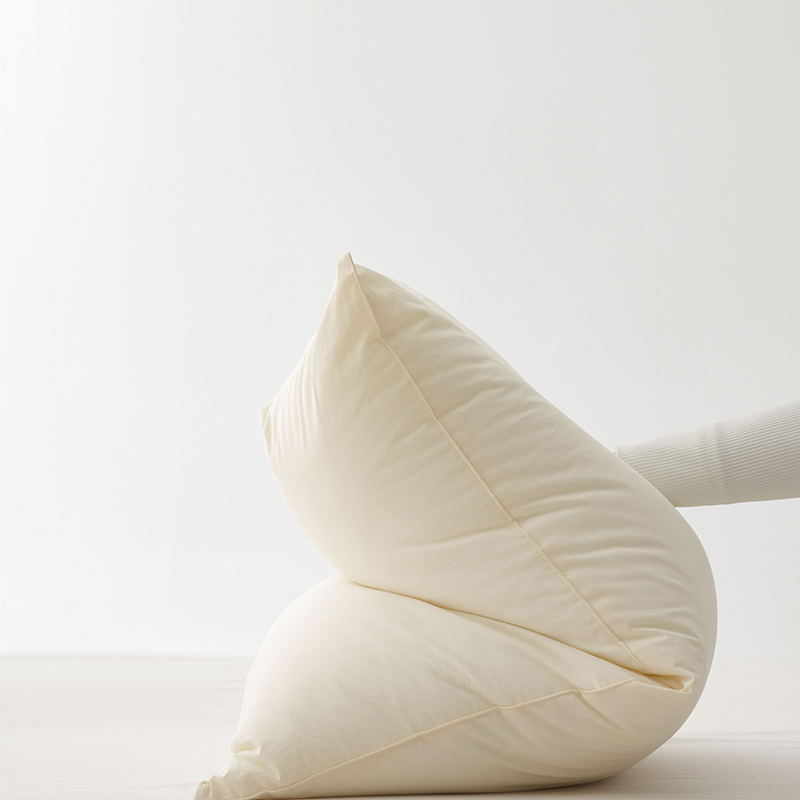
While it is possible for bed bugs to inhabit pillows, particularly in the seams or covers, they are less likely to do so than other bedroom items like mattresses or box springs. Nonetheless, pillows can act as a temporary hideout. Being vigilant and taking preventive measures such as using protective encasements, maintaining adequate hygiene, and regularly inspecting bedding can help minimize the risk. When faced with an infestation, early detection and swift action are crucial to preventing further spread and ensuring a pest-free sleeping environment.